The Art of Minimalism in Food Styling
Minimalism in food styling isn’t about stripping away
Date
Category
Writer
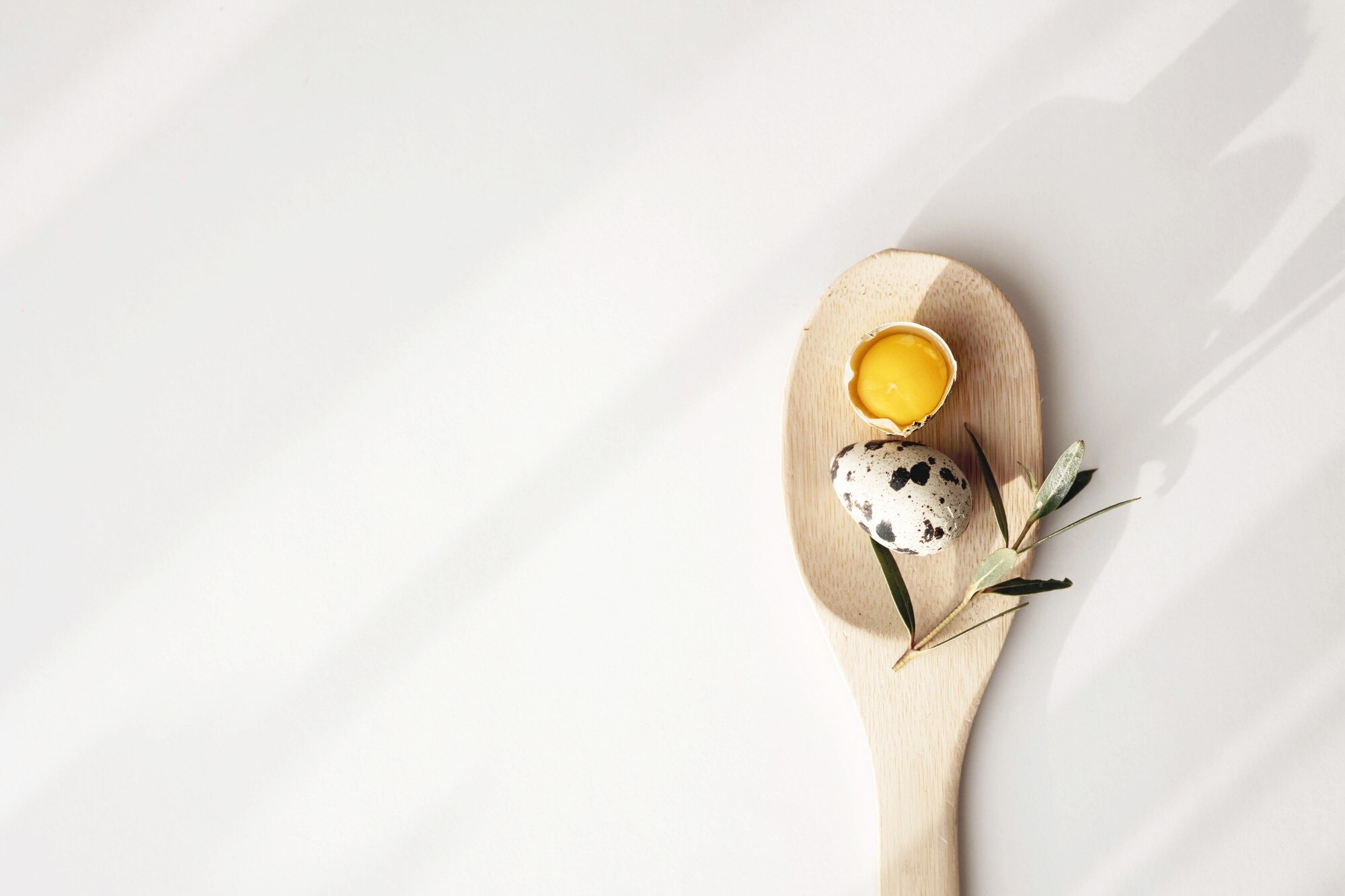
Minimalism in food styling isn’t about stripping away; it’s about sharpening your dish’s story. When you embrace minimalist culinary design, every element on the plate speaks with purpose, inviting your guests to connect deeply with your creation. In this post, you’ll find clear food presentation tips that help you elevate dish narratives with subtle restraint—and make your culinary storytelling unforgettable. Ready to see how less truly becomes more? Explore more here.
The Essence of Minimalism in Food Styling
Crafting a dish that tells a story isn't just about taste—it's about the visuals too. By focusing on minimalism, you create a more impactful culinary experience. Let's explore this idea further.
Simplifying for Impact
Simplicity can make your food stand out. Imagine a plate where every item has a purpose. This approach not only highlights the main ingredients but also makes the dish more appealing. Minimalism isn't just about less; it's about more focus. By reducing clutter, you ensure that the main components of your dish are the stars of the show.
Diners often find beauty in simplicity. When a dish is clean and purposeful, it encourages them to appreciate each element. This method also aids in making your dish memorable. Most people think more is better, but often, less is more impactful. Here's the key insight: a well-placed garnish can be more striking than a plate full of decorations.
Highlighting Key Ingredients
Every dish has a hero, an ingredient that deserves the spotlight. By using minimal design, you allow these key components to shine. This doesn't mean you strip away everything else but rather use other ingredients to support and highlight the main attraction.
Take, for example, a beautiful heirloom tomato. By placing it on a simple white plate with a few drops of balsamic reduction, the tomato becomes the focal point. Minimalism in food styling ensures that your diners notice and appreciate the quality and flavor of your main ingredients. This focus can lead to a deeper connection with the dish and a more satisfying dining experience.
Culinary Storytelling Through Design
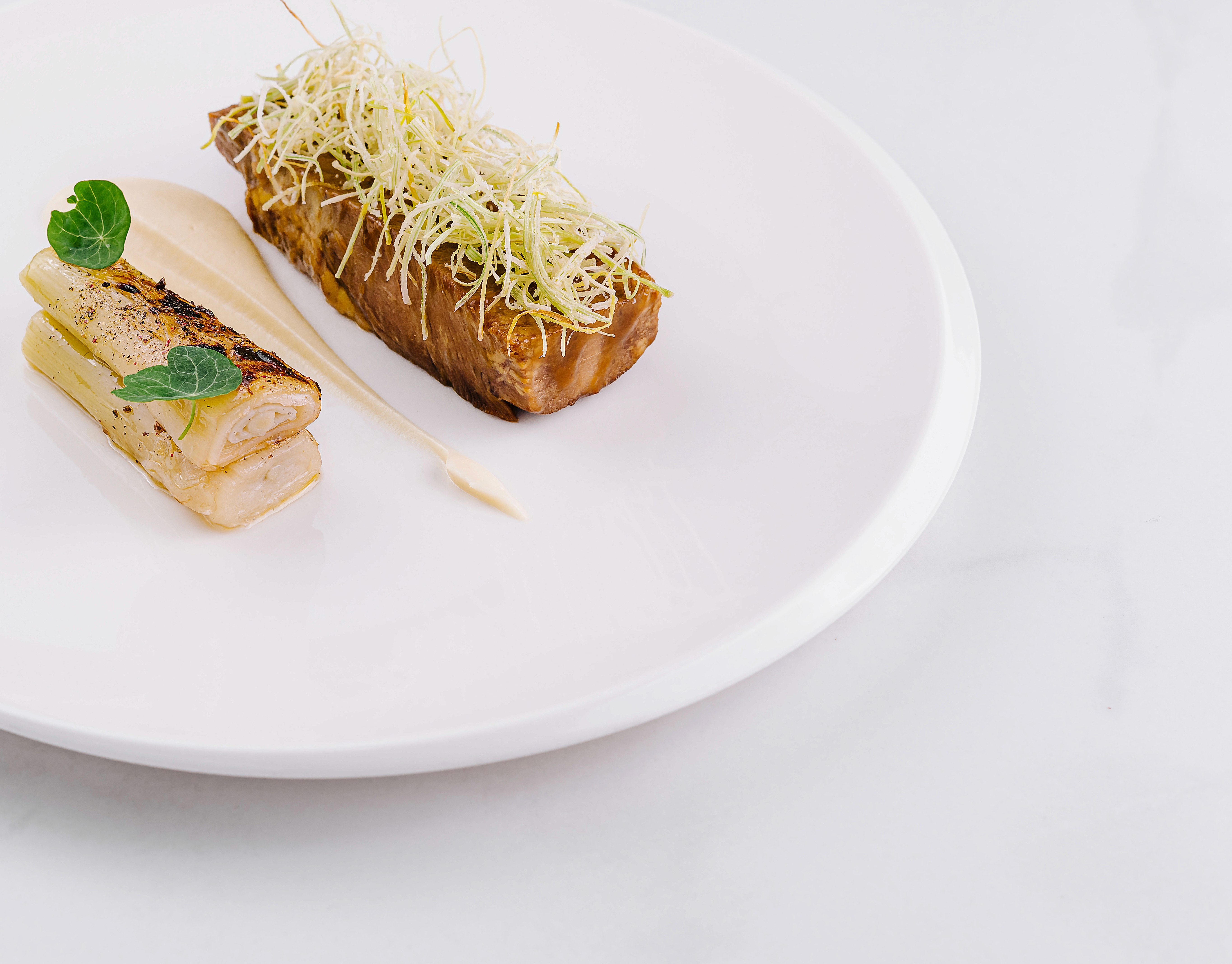
A dish's story isn't just in its flavors but in its presentation. Through thoughtful design, you can craft a narrative that speaks to the heart and stomach.
Creating a Narrative with Food
Your dish is a canvas, and each element is a brushstroke. Think about what story you want to tell. Are you showcasing the seasons? Highlighting a cultural tradition? Every choice you make should align with your narrative. Culinary storytelling is about creating a journey for your diners.
When you choose ingredients, consider their role in the story. Maybe you're serving a spring salad. Use vibrant greens and edible flowers to paint the picture of a blooming garden. By carefully selecting and placing each component, you guide your diners through a tale of flavors and experiences.
Visual Elements that Speak
Visual cues can evoke emotions and memories. By choosing colors, textures, and arrangements wisely, you can enhance the storytelling of your dish. Food presentation tips often emphasize the importance of negative space. This space gives the diner a moment to pause and reflect on what they see and taste.
Consider a dessert plated on a slate with a splash of raspberry coulis. The bright red against the dark background can evoke feelings of passion or intrigue. By using visual elements to complement the flavors, you enhance the overall dining experience and leave a lasting impression.
Food Presentation Tips for Professionals
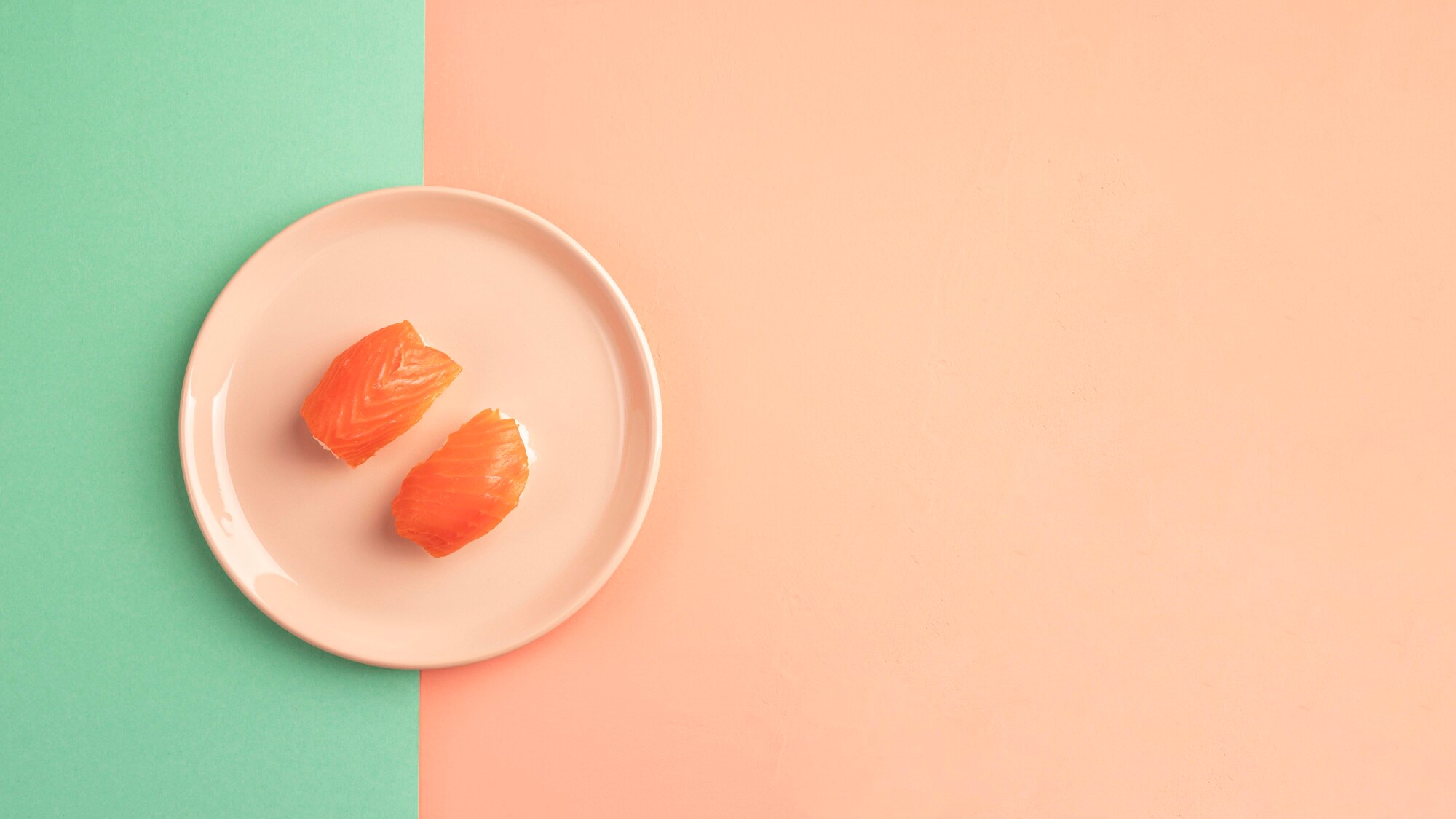
Elevating your dish isn't just about the recipe—it's about how you present it. Let's dive into some tips that can help you achieve that.
Enhancing Dish Narratives
Consider how each part of your presentation contributes to the dish's story. A well-thought-out plate can elevate culinary storytelling. Start by thinking about balance. Each plate should have a mix of colors and textures that complement each other.
Use height to add interest. By stacking elements or leaning them against each other, you create visual intrigue. Remember, though: balance is key. Too much height can be overwhelming, while too little can feel flat. Play with these elements until you find a presentation that feels right.
Minimalist Culinary Design Techniques
Minimalist design isn't just a trend; it's a technique that requires skill and precision. Here are some practical ways to incorporate it:
Focus on the Main Element: Choose one ingredient as the focal point and build around it.
Use White Space: Let the plate breathe. This space draws attention to your main element.
Play with Textures: Combine smooth, crisp, and soft textures for a balanced dish.
Limit Colors: Use a limited palette to ensure harmony and focus.
By applying these techniques, you'll create dishes that not only taste great but also tell a compelling story.
Thoughts, ideas, and perspectives on design, simplicity, and creative process.